
When a bike hits your car, it can be a stressful and confusing situation, especially if you’re unsure about the legalities, insurance claims, and responsibilities. This guide breaks down what happens in such incidents, providing practical advice, legal insights, and trending questions related to bike-car collisions.
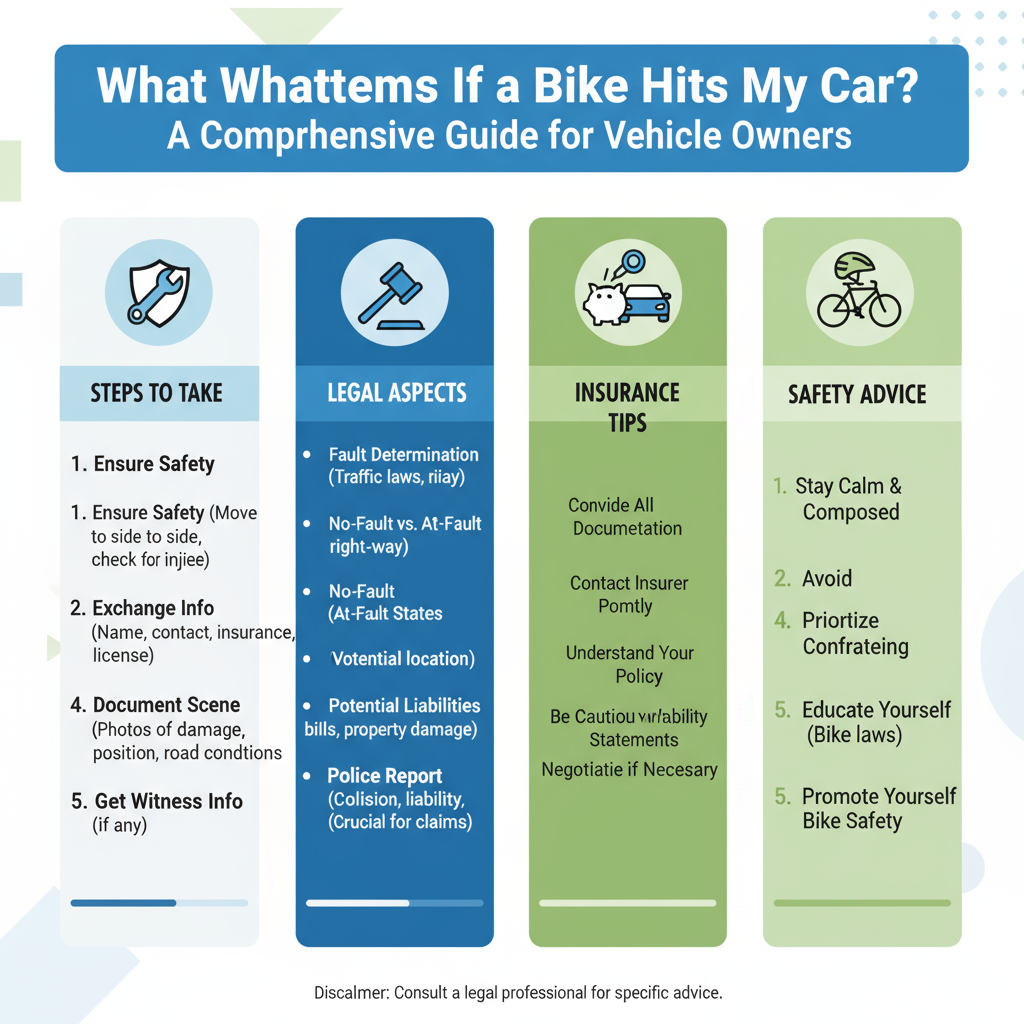
Immediate Steps to Take if a Bike Hits Your Car
-
Check for Injuries: Ensure everyone involved is safe. Call emergency services if there are any injuries.
-
Exchange Information: Share contact details, insurance information, and vehicle registration numbers with the cyclist.
-
Document the Scene: Take photos of both vehicles, visible damages, road conditions, and any injuries. This evidence is crucial for insurance claims and legal procedures.
-
Avoid Blame Discussions: Stick to the facts without admitting fault or debating liability at the scene.
-
Notify Authorities: Depending on local laws, report the accident to the police, especially if there are injuries or significant property damage.
-
Contact Your Insurance: Inform your insurer promptly to start claim procedures and receive guidance.
Legal and Insurance Aspects
-
Liability: Fault depends on who breached their duty of care—motorists and cyclists alike must obey traffic laws. If the cyclist is negligent (e.g., riding outside designated lanes), they could be liable for damages. Conversely, if the cyclist follows the rules and the car driver caused the accident, liability may fall on the driver.
-
Insurance Claims: Typically, car insurance covers damages to your vehicle if the cyclist is at fault, but coverage varies. Some cyclists may carry liability insurance, but many might not, complicating claims. Legal advice may be needed if disputes arise.
-
Compensation: Damages can include vehicle repairs, medical expenses, lost wages, and pain and suffering. Negligence proof is essential for fair compensation.
-
Legal Proceedings: If liability is contested or negotiations fail, cases can escalate to formal legal action where courts decide fault and compensation.
Practical Tips for Bike-Car Accidents
-
Always wear your seatbelt and drive defensively near cyclists.
-
Keep a dashcam active; recordings can help clarify accident circumstances.
-
Familiarize yourself with local bike and traffic laws.
-
Stay calm and cooperative during the incident.
-
Consult a lawyer for substantial claims to ensure your rights are protected.
A bike hitting your car demands calm, clear-headed actions focused on safety, documentation, and timely communication with insurers and authorities. Understanding liability laws and insurance policies can help protect your rights while ensuring fair compensation for damages.
Whether you’re a car owner or a cyclist, awareness around legal responsibilities and accident protocols helps create safer roads for everyone.
Some Key Facts About Bike-Car Collisions and Related Insurance Issues
Who pays if a bike hits my car
Liability depends on fault. If the cyclist is at fault, their liability insurance (if any) should cover damages. If not insured, the car owner’s collision coverage may pay, or the cyclist could be personally liable.
What to do if a cyclist damages my vehicle?
Document the damage, collect rider details, file a police report, and notify your insurer promptly. Use photos and witness accounts to support your claim.
How does insurance handle bike-car accidents?
Insurance companies investigate fault, assess damages, and process claims accordingly. Your insurer may cover repairs under collision coverage or seek reimbursement from the cyclist’s insurer.
Can I sue a cyclist for hitting my car?
Yes, if the cyclist negligently caused the accident and you suffer injury or property damage, you can pursue legal action for compensation.
What if the cyclist does not have insurance?
You may have to rely on your own insurance or sue the cyclist personally. Uninsured motorist coverage on your policy, if available, can help.
How to prove fault in a bike-car collision?
Use photos, videos, police reports, witness statements, traffic camera footage, and expert reconstruction to establish negligence.
Does fault impact my insurance premiums?
Yes. Being found at fault typically increases your premiums. Conversely, if the cyclist is at fault, your rates are less likely to be affected.
What are typical compensation amounts for bike-car damages?
Compensation varies widely based on damage severity—from a few thousand dollars for minor repairs to substantial sums for major damage or injuries.
What documents are required to file a bike-car accident claim?
-
Police report
-
Photos/videos of damage and scene
-
Insurance information of all parties
-
Medical and repair bills
-
Witness contact details
How to claim bike accident insurance?
Report the incident promptly to your insurer, submit required documents, cooperate with claim adjusters, and follow up until claim resolution.
What is IDV in bike insurance?
Insured Declared Value (IDV) is the maximum claim amount payable by the insurer in case of theft or total loss, calculated as bike’s market value minus depreciation.
What states require dirt bike insurance?
Requirements vary. Some U.S. states mandate liability or comprehensive insurance for off-road vehicles; others don’t but strongly recommend coverage.
What is compulsory excess on bike insurance?
Compulsory excess is the amount a policyholder must pay out-of-pocket towards a claim before the insurer pays the rest.
Is bike insurance cheaper when married?
Often yes, as married individuals statistically file fewer claims, leading to premium discounts.
Why is bike insurance so expensive?
High premiums result from risk factors like accident frequency, theft rates, repair costs, and rider demographics.
Is bike insurance cheaper than car insurance?
Typically yes, because bikes generally cost less to repair and replace, though rates vary by model and location.
How to get cheap bike insurance?
-
Compare quotes online
-
Opt for higher deductibles
-
Choose comprehensive policies wisely
-
Maintain a clean riding record
-
Bundle with other insurance
One day bike insurance cover?
Yes, short-term policies cover specific days, ideal for infrequent riders or temporary needs.
Does renters insurance cover bike theft?
Usually yes, if the bike is stored offsite, but check policy limits and deductibles. Specialized bike insurance may offer better protection.
More read :-
What is Copilot AI? Everything You Need to Know
What to Know About the ‘Kissing Bug’ Disease ? Symptoms & Treatment
How Many Monthly Active Users Does X (Twitter) Have? [ Deep Dive]
