
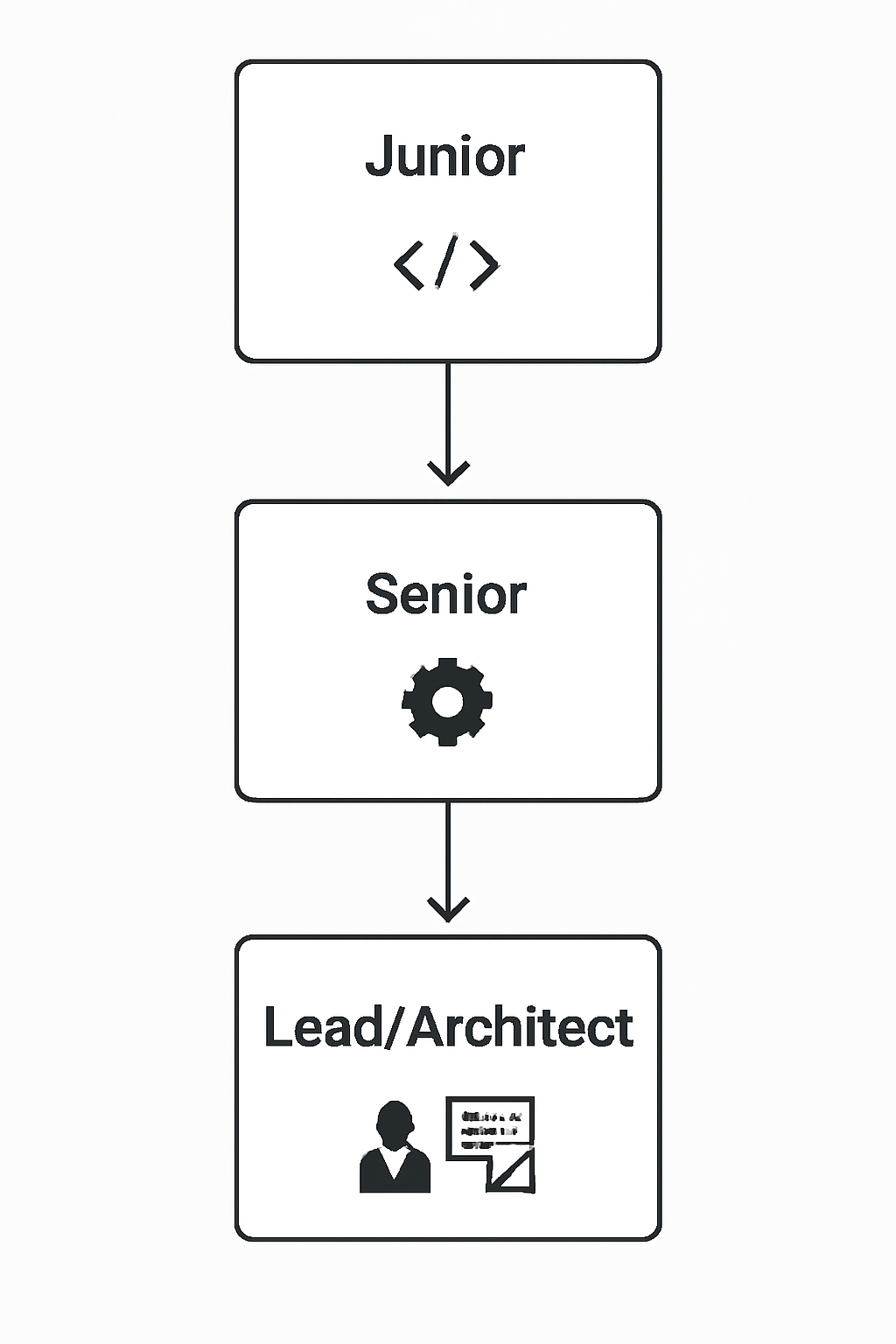
JavaScript developers are the architects behind dynamic, interactive web experiences—think Facebook, Uber, Netflix, and countless SaaS tools. In 2025, JavaScript is still the most widely used scripting language, with demand for these skilled professionals skyrocketing in fields like fintech, AI, cloud applications, and blockchain. Competitive salaries reflect this: averages span from $106,000 to $117,000 a year in the US, with senior specialists earning well over $167,000, and the very best bagging upwards of $292,000 annually—even more for those bridging JavaScript with Web3, AI, and serverless architecture.
Where to Find Top JavaScript Developers
To reach leading tech talent, you need to cast your net in the right waters:
-
Freelance Marketplaces: Upwork, Toptal, Hirable, and Freelancer are great resources for vetted talent and immediate availability. Use keyword-rich job titles like “hire remote JavaScript developer” or “Node.js freelance expert.”
-
Developer Communities: Places like GitHub, Stack Overflow, and Dev.to showcase programmers and their technical contributions—an ideal spot to source candidates who build real solutions.
-
Tech-Savvy Job Boards: Wellfound (AngelList Talent), Dice, and Stack Overflow Jobs attract specialist developers looking for professional roles. Posting with clarity and benefits will help you rise above the noise.
-
Local & Remote Networks: Participating in local meetups, hackathons, and online conferences can connect you to enthusiastic developers eager to solve business problems and build their portfolios.
-
Recruitment Agencies: Niche tech recruiters have their finger on the pulse of in-demand talent and ensure a technical fit. It’s efficient but can cost more—worth it if time-to-hire is critical.
What Makes a Great JavaScript Developer?
Success isn’t about just ticking boxes. You want a candidate who is:
-
Fluent in core JavaScript, plus frameworks like React, Vue, Angular, or backend skills in Node.js, Express.js.
-
Aware of current trends—TypeScript, serverless, cloud deployment, blockchain integration, and AI tools.
-
Experienced with CI/CD pipelines, version control (Git), and collaborative code reviews.
-
A problem-solver who fits your project’s culture and communicates with clarity.
Crafting a Winning Job Post (SEO-Optimized for High CPC)
Want the right applications? Write like a pro. Use conversion-focused headings and plenty of high CPC keywords:
-
Job Title: “Find a JavaScript developer for SaaS—React, Node.js, Remote”
-
Company intro with USP
-
List technical requirements—with “JavaScript,” “Node.js,” “React developer,” “Vue.js,” “remote developer jobs,” “hire JavaScript programmer” throughout
-
Outline perks (remote, upskilling, cutting-edge projects, performance bonuses)
-
Mention salary—top devs hunt for clarity: “Earn $100,000–$170,000 depending on experience”
-
Explain how to apply: “Apply with GitHub, portfolio, and a cover letter about your toughest bug fix”
Screening: How to Shortlist JavaScript Developers
-
Portfolio Review: Focus on code samples, GitHub contributions, and case studies. Look for real-world results, clean code, and innovative projects.
-
Tech Screens: Use platforms like Coderbyte, HackerRank, or in-house tests targeting your stack (React, Node.js, APIs).
-
Soft Skills: Agile thinking, problem-solving, and communication abilities matter—test these in interviews with scenario-based questions.
-
Live Coding or Pair Programming: This shows not only how they write code, but how they explain decisions and collaborate.
Key Salary Insights (2025)
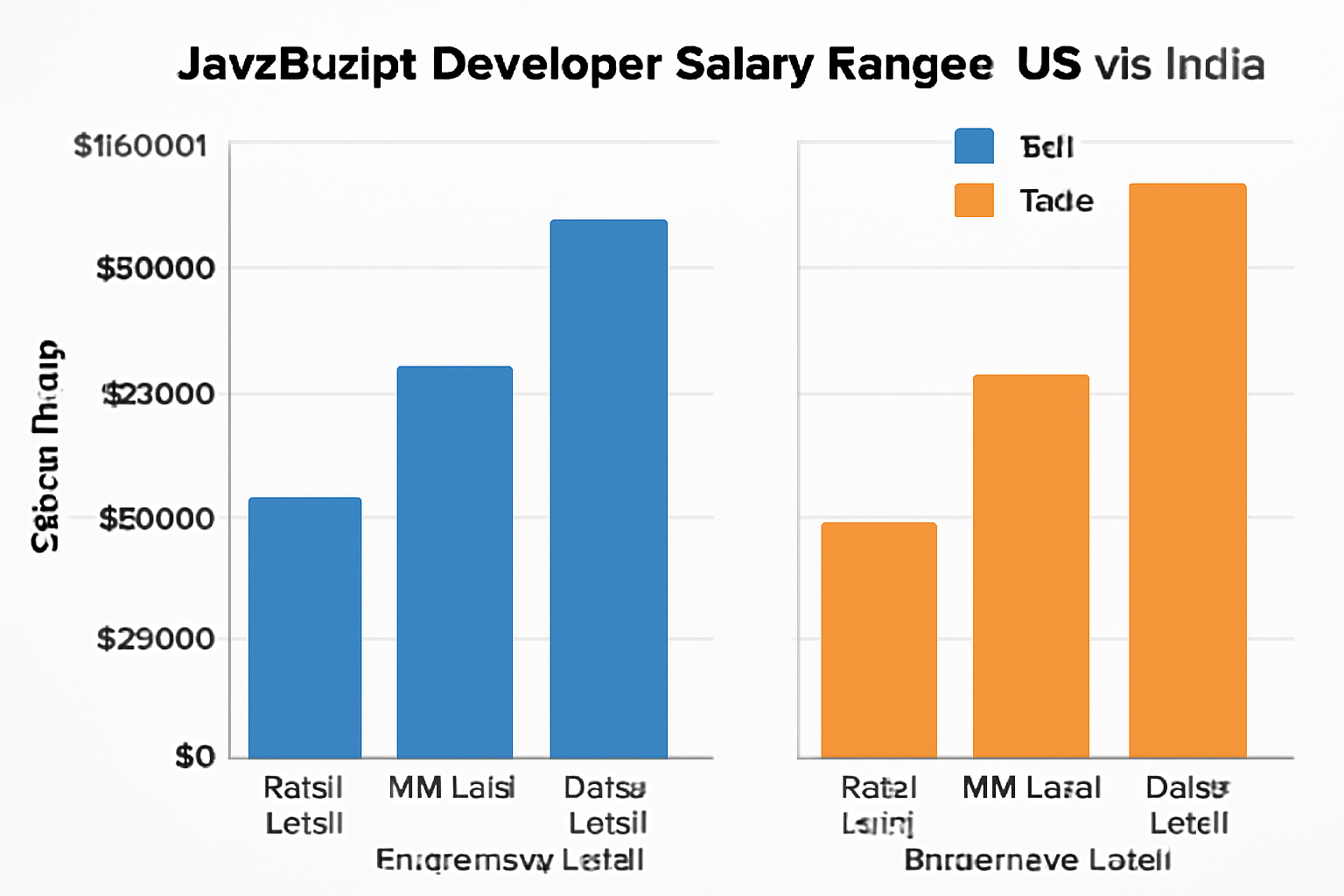
Here’s what the data says about current compensation:
| Experience Level | US Salary Range | Remote/Global Average | India Salary Range |
|---|---|---|---|
| Entry-Level | $66k–$90k | $70k–$110k | ₹3–6 lakh |
| Mid-Level (3–5yr) | $95k–$125k | $106k–$148k | ₹14–54 lakh |
| Senior (5+ yr) | $125k–$292k+ | $167k–$248k+ | ₹21–54 lakh |
Salaries can spike 20–30% higher for AI, Web3, or cloud expertise.
How to Attract Top JavaScript Talent
-
Offer remote options and flexible hours—these are deal-makers for senior devs.
-
Provide access to upskilling (courses in TypeScript, cloud computing, or advanced JavaScript frameworks).
-
Foster a developer-friendly culture: hack days, open-source Fridays, team-driven technical decisions.
-
Streamline processes: fast feedback, quick technical rounds, clear communication.
Common Mistakes to Avoid
-
Vague job descriptions: “JavaScript developer wanted” isn’t enough. Specify required frameworks, project goals, and must-have skills.
-
Underestimating global talent: Geographical limits drastically shrink your pool—remote roles expand it.
-
Skipping on salary benchmarks: Top devs won’t apply if your offer is out of step with 2025 standards.
-
Neglecting soft skills: Coding isn’t everything; attitude and team fit drive project success.
