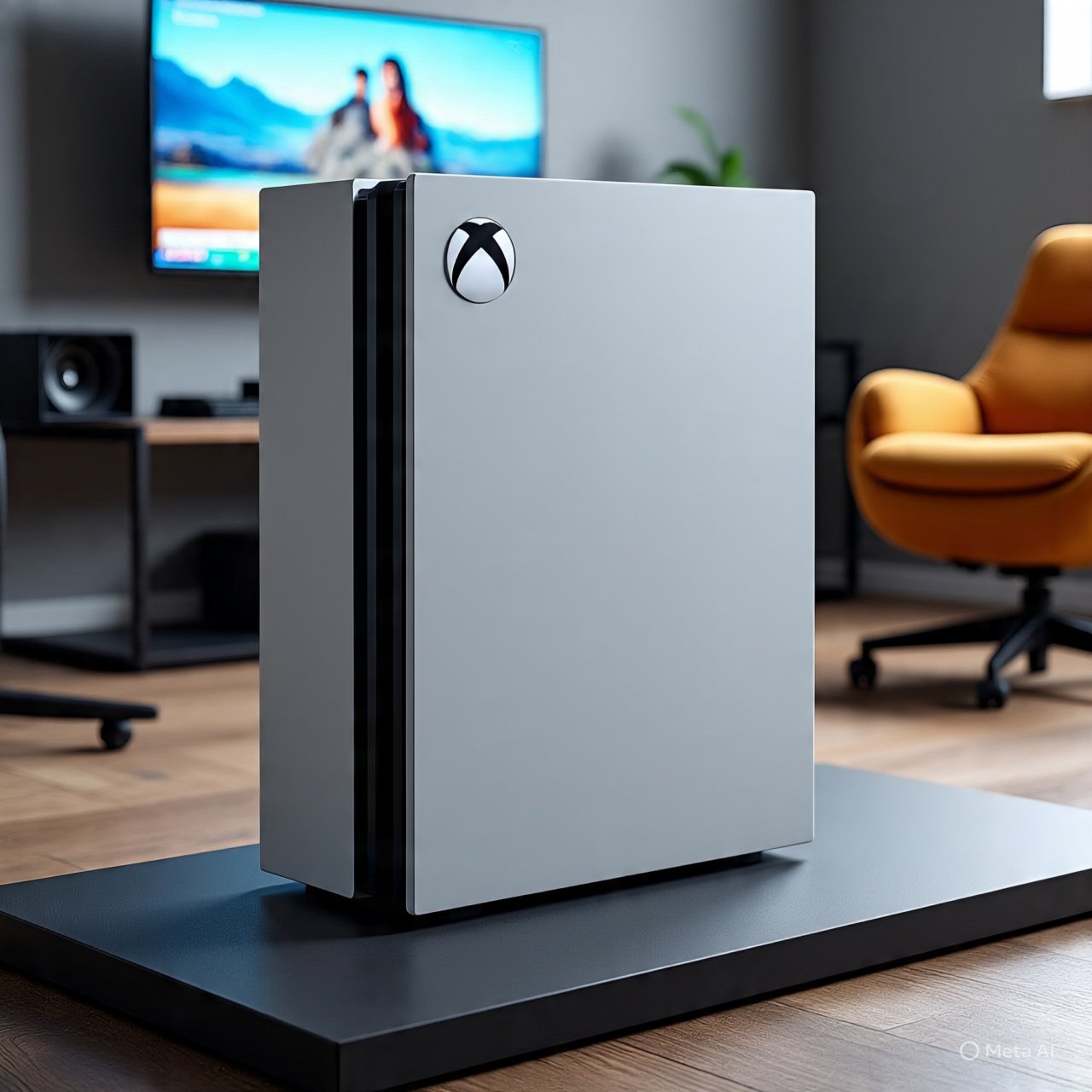
In a move that continues to challenge gamers’ wallets, Microsoft Xbox has announced another round of price increases for its flagship Xbox Series X and the popular Xbox Series S consoles in several key international markets. This decision, confirmed via a statement to Windows Central, marks the second significant price hike in just over a year, signaling ongoing economic pressures that are impacting the gaming industry’s bottom line and, ultimately, the consumer. The latest increase sees the Microsoft Xbox Series X rise in price across markets like India, Israel, and several countries in South America, following a similar action in 2023 that affected a wider swath of regions including Canada, Australia, and the UK. For dedicated fans, these consecutive increases are a tough pill to swallow, adding a higher barrier to entry for experiencing the current-generation Microsoft Xbox ecosystem and its acclaimed Game Pass library. This article delves into the specifics of the new pricing, explores the complex economic drivers—particularly tariffs and currency fluctuations—behind these decisions, and analyzes what this means for the future of Microsoft Xbox pricing and market competition.
A History of Microsoft Xbox Pricing Strategy

To understand the significance of this latest price increase, it’s essential to look at the history of Microsoft Xbox pricing this generation. The Xbox Series X and Series S launched in November 2020 with aggressive price points. The Series X debuted at $499 / £449, directly competing with the PlayStation 5’s identical pricing, while the Series S was introduced as a compelling budget-friendly alternative at $299 / £249. For years, Microsoft held firm on these launch prices, even as component costs and inflation began to rise globally. This commitment was widely praised and seen as a consumer-friendly strategy to maintain accessibility during economically turbulent times. However, this stance shifted in 2023 when Microsoft implemented its first major price increase, raising the cost of the consoles in many countries outside of the US. The latest announcement confirms that the economic pressures that drove that decision have not abated but have, in fact, intensified, forcing the company’s hand once again and moving the Microsoft Xbox further from its initial value proposition.
Breaking Down the Latest Microsoft Xbox Price Increases
The new pricing structure is not a blanket global increase but is targeted at specific markets where economic conditions are most challenging. According to the report, the latest Microsoft Xbox price hikes are concentrated in countries like India, Israel, Chile, and Argentina. The exact increase varies by region due to currency differences and local market factors. For example, the Microsoft Xbox Series X has seen a significant jump in India, moving well past the previous pricing tier. These targeted increases highlight a strategic approach by Microsoft: keeping prices stable in its largest and most competitive markets (like the US and UK, for now) to avoid losing ground to rivals, while adjusting in smaller markets where fluctuating currencies and import costs make the existing pricing unsustainable. This ensures the overall health of the Microsoft Xbox division while mitigating the broadest possible consumer backlash. It’s a calculated business decision, but one that undoubtedly frustrates fans in the affected regions who are now faced with a more expensive entry point to the next generation of Microsoft gaming.
The Core Driver: Tariffs, Currency, and Economic Pressure
So, why is this happening? Microsoft has been transparent in attributing these price increases not to a desire for higher profits, but to external economic factors beyond its direct control. The primary culprit is the ongoing impact of tariffs on electronics manufacturing and distribution. Tariffs, which are taxes on imported goods, increase the cost of producing and shipping consoles. When a country imposes new tariffs on electronics or components sourced from China (where many consoles are manufactured), companies like Microsoft are faced with a choice: absorb the cost and take a financial hit, or pass it on to consumers.
Furthermore, currency fluctuation plays a massive role. The value of the US dollar is incredibly strong compared to many other global currencies. Since consoles are typically priced in local currencies, a weakening currency means Microsoft receives less value for each console sold when its revenue is converted back to dollars. To offset this loss in revenue value, the company must increase the local price to maintain its profit margins. This combination of tariffs and volatile foreign exchange rates creates a perfect storm that makes it financially difficult to maintain original launch prices years into a console’s lifecycle, directly impacting the Microsoft Xbox division’s global pricing strategy.
Market Reaction and Competitor Context
The reaction from the gaming community has been one of understandable disappointment. For fans in affected regions, gaming is an expensive hobby becoming even more so. The price-sensitive Microsoft Xbox Series S, often the gateway into the ecosystem, becomes a less compelling value, potentially slowing down user acquisition. This situation also must be viewed within the context of the broader console war. Sony initially raised the price of the PlayStation 5 in many regions in 2022, a move that Microsoft publicly stated it would not follow at the time. However, with Microsoft now implementing its second round of increases, it appears the economic reality is universal. Nintendo has so far held the line on Switch pricing, but it remains to be seen how long that can last. This trend suggests that the era of static console pricing may be over, with future hardware generations potentially seeing more fluid pricing models that react to global economic conditions.
What This Means for the Future of Microsoft Xbox
For consumers, the immediate takeaway is clear: the cost of next-gen gaming is rising. For the Microsoft Xbox brand, these increases are a necessary evil to protect its business in challenging markets, but they risk damaging goodwill and could slightly hamper growth in those regions. Looking ahead, this reinforces the importance of Microsoft’s broader strategy, which is increasingly focused on services and ecosystem over pure hardware sales. The value proposition of Xbox Game Pass becomes even more critical as a justifying factor for the hardware investment. It also puts a greater emphasis on the next generation of hardware, rumored to be a more flexible, cloud-integrated platform, which might be designed from the ground up to be more resilient to these kinds of economic shocks through different manufacturing and distribution models.
Conclusion: Navigating a New Economic Reality
The latest Microsoft Xbox price increase is a stark reminder that the gaming industry does not operate in a vacuum. It is subject to the same global economic forces—tariffs, currency strength, inflation—that affect all international businesses. While disappointing for fans, the move is a pragmatic response from Microsoft to ensure the long-term viability of its gaming division in all corners of the globe. The company is now walking a tightrope, balancing financial necessity with consumer affordability. The enduring value of the Microsoft Xbox ecosystem, through Game Pass and cross-platform play, will be its strongest asset in convincing players that the higher initial investment is still worth it. microsoft xbox one backwards compatibility
For the latest official pricing and availability in your region, always check the official Microsoft Xbox website before making a purchase.
